
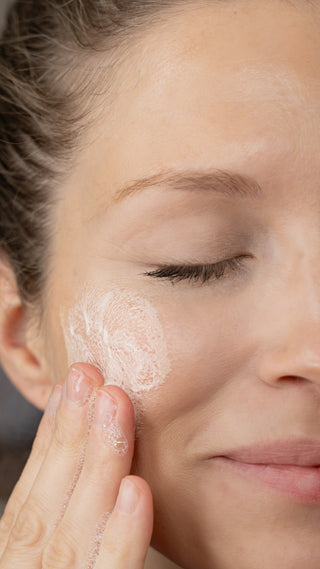
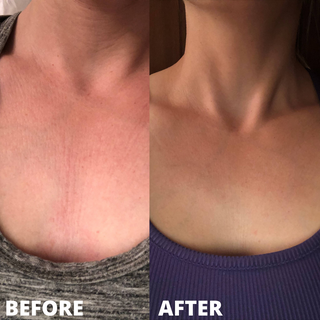
Yes, dark spots have different causes, a dark spot from a pimple typically takes about three months to fade. Glycolic can be of some value because acne dark spots always clear up over time with nothing being used, according to Dermatologist Dr. B. Dark spots from melasma will be improved with non-neutralized glycolic. Dark spots secondary to dermatitis can be helped minimally with non-neutralized glycolic acid. Dark spots in general are improved with non-neutralized glycolic. Some dark spots improve more like melasma or mask of pregnancy when using non-neutralized glycolic. Applying a daily moisturizer with mild non-neutralized glycolic such as Dermatologist's Choice Skincare Facial Enhancement Cream will improve the appearance of dark spots.


Dr. Bottiglione's Recommended Treatments




More Resources from Dr. Bottiglione

What Should You Look for in a Face Moisturizer? Dermatologist Answers 4 Common Questions
By Dr. Richard Bottiglione, Board-Certified Dermatologist and Founder of Dermatologist’s Choice After 50 years of practicing dermatology, I’ve watched skincare become increasingly complicated. Consumers are presented with long...

What Is a TCA Peel? A Dermatologist's Guide to Trichloroacetic Acid for Smoother, Clearer, Younger-Looking Skin
Learn what a TCA peel is, how Trichloroacetic Acid (TCA) improves wrinkles, acne scars, and discoloration, and how to safely use Dermatologist's Choice TCA products at home. What Is a...

What body lotions are best for mature skin according to a Dermatologist
I always tell patients: mature skin isn’t just dry — it’s losing collagen/elastin, the barrier is weaker, and you need...