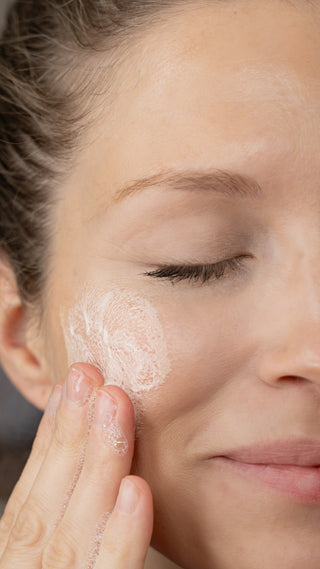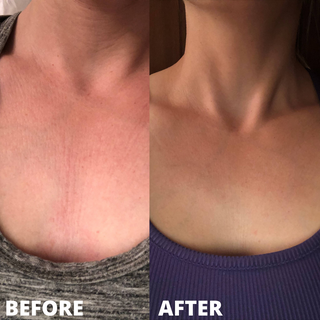
Learn what a TCA peel is, how Trichloroacetic Acid (TCA) improves wrinkles, acne scars, and discoloration, and how to safely use Dermatologist's Choice TCA products at home.
What Is a TCA Peel?
If you've been searching for one skincare ingredient that can visibly improve wrinkles, acne scars, sun damage, uneven texture, and hyperpigmentation, you've likely come across Trichloroacetic Acid (TCA).
For decades, board-certified dermatologists have relied on TCA peels to dramatically resurface the skin and stimulate healthier, smoother skin underneath. Today, advances in formulation allow consumers to experience many of the benefits of TCA at home when used correctly.
At Dermatologist's Choice, Dr. Richard Bottiglione has spent nearly 50 years helping patients safely rejuvenate their skin through scientifically proven exfoliation. Our unique approach combines dermatologist-developed formulations with pH-balanced technology to maximize results while minimizing unnecessary irritation.
This guide explains everything you need to know about TCA peels, including how they work, who should use them, how they compare to glycolic acid, and how to safely incorporate Dermatologist's Choice TCA products into your skincare routine.
What Is Trichloroacetic Acid (TCA)?
Trichloroacetic Acid is a dermatologist-trusted chemical exfoliant used to remove damaged skin cells and stimulate healthier skin beneath the surface.
Unlike physical scrubs that only polish the skin, TCA works by loosening the bonds between dead skin cells, allowing damaged layers to shed naturally while encouraging new collagen production and healthier skin renewal.
Because TCA penetrates deeper than many other exfoliating ingredients, it has become one of the gold standards for treating:
- Fine lines
- Wrinkles
- Acne scars
- Hyperpigmentation
- Melasma
- Sun damage
- Rough skin texture
- Enlarged pores
For nearly a century, dermatologists have used TCA peels in medical practices because of their predictable, clinically proven results.
How Does a TCA Peel Work?
Every day your skin naturally sheds dead cells. As we age, this process slows dramatically.
Dead cells begin accumulating on the surface, leading to:
- Dull complexion
- Rough texture
- Uneven pigmentation
- Fine lines
- Congested pores
- Acne breakouts
TCA accelerates this natural renewal process.
Once applied, it gently breaks down the bonds holding damaged surface cells together. Over the following days, these cells naturally exfoliate while healthier skin rises to the surface.
Even more importantly, controlled exfoliation stimulates the skin's repair process.
As new collagen forms, skin gradually becomes:
- Firmer
- Smoother
- Brighter
- More even in tone
- Better able to reflect light
This is why dermatologists often describe TCA as both an exfoliating treatment and a collagen-supporting treatment.
Benefits of a TCA Peel
Reduces Fine Lines and Wrinkles
TCA encourages collagen remodeling while removing dull surface skin.
With consistent treatments, skin often appears smoother, firmer, and more youthful.
Improves Acne Scars
Few at-home ingredients improve acne scars as effectively as TCA.
Regular treatments help soften shallow scars while smoothing uneven texture created by previous breakouts.
Brightens Hyperpigmentation
TCA helps lift accumulated pigment caused by:
- Sun damage
- Acne marks
- Age spots
- Melasma
- Post-inflammatory hyperpigmentation
Over time, discoloration becomes noticeably more even.
Clears Congested Pores
By removing dead skin that blocks pores, TCA helps minimize blackheads, whiteheads, and future acne breakouts.
Smooths Rough Texture
Many patients notice smoother skin after only a few treatments as damaged outer layers gradually shed.
Improves Product Absorption
Healthy skin absorbs skincare more efficiently.
Removing excess dead skin allows moisturizers, antioxidants, peptides, and other beneficial ingredients to penetrate more effectively.
TCA vs. Glycolic Acid
Both TCA and glycolic acid are excellent exfoliating acids, but they serve different purposes.
| Glycolic Acid | TCA |
|---|---|
| Daily or frequent exfoliation | Daily + Weekly resurfacing treatment |
| Excellent for maintenance | More intensive rejuvenation |
| Improves texture gradually | Produces more dramatic resurfacing |
| Ideal for beginners | Better for experienced users or gradual introduction |
At Dermatologist's Choice, we often recommend combining both ingredients rather than choosing one like in the Glycolic TCA Peel Pads.
Our philosophy is simple:
Glycolic Acid maintains healthy skin. TCA transforms damaged skin.
Together they create an effective long-term anti-aging routine.
Preparing Your Skin Before Using TCA
Healthy skin tolerates exfoliation better.
Before beginning TCA treatments:
Morning
- Cleanse with the Dermatologist's Choice pH Balanced Cleanser
- Moisturize
- Wear broad-spectrum SPF 30 or higher
Evening
- Cleanse gently
- Avoid harsh physical exfoliators like scrubs
- Hydrate the skin. Vaseline and the Hydrating Facial Moisturizer are thick and help the skin after a peel.
- Skip multiple exfoliating products until your skin adjusts
A healthy skin barrier leads to better results with fewer complications.
Choosing the Right Dermatologist's Choice TCA Product
pH Balanced TCA Toning Pads
Best for:
- Beginners
- Sensitive skin
- Early signs of aging
- Brightening
- Acne maintenance
These dermatologist-developed pads introduce your skin to TCA through a unique pH-balanced formula designed for regular use.
Glycolic TCA Peel Pads
Best for:
- Moderate discoloration
- Rough texture
- Acne scars
- Visible sun damage
- Fine Lines/wrinkles
By combining glycolic acid with TCA, these pads provide deeper resurfacing while continuing to support skin renewal.
TCA Advanced Peel Solution
Best for experienced users looking for the strongest resurfacing treatment Dermatologist's Choice offers.
Ideal for improving:
- Deep wrinkles
- Significant sun damage
- Stubborn discoloration
- Advanced photoaging
How to Use TCA Safely
Proper application makes all the difference.
Step 1
Start with clean, dry skin.
Step 2
Apply your TCA product according to directions.
Avoid:
- Eyes
- Lips
- Broken skin
- Active irritation
Step 3
Allow the product to absorb.
Step 4
Follow with moisturizer.
Step 5
Wear sunscreen every morning.
How Often Should You Use TCA?
Every person's skin is different.
A gradual schedule typically works best.
Weeks 1–2
One treatment weekly.
Weeks 3–4
Increase as tolerated.
Weeks 5–8
Continue consistent treatments while monitoring skin response.
Consistency almost always produces better long-term results than overly aggressive treatments. The more applications can help speed up desired results. Dry skin and redness is typically normal and fades after a couple days. Apply moisturizer daily and as skin needs.
What Should You Expect?
Immediately after treatment:
- Mild tingling (Trustworthy Tingle - this means it's working! No tingle, you may need to go heavier)
- Temporary redness
- Tight feeling
Several days later:
- Light flaking
- Brighter complexion
- Smoother skin
After several weeks:
- More even pigmentation
- Improved texture
- Softer fine lines
- Healthier glow
- Reduced acne congestion
Collagen remodeling continues for months with regular use.
Common Mistakes to Avoid
- Skipping sunscreen
- Scrubbing peeling skin
- Expecting overnight results
Healthy skin improves through consistency.
TCA Aftercare
Following treatment:
- Cleanse gently
- Keep skin moisturized
- Avoid picking peeling skin
- Wear SPF daily
- Avoid unnecessary sun exposure
- Apply Vaseline or a heavy oil free moisturizer to soothe skin.
Proper aftercare is just as important as the peel itself.
Who Should Avoid TCA?
You should consult your dermatologist before using TCA if you have:
- Active eczema
- Open wounds
- Active skin infection
- Recent laser resurfacing
- Recent medium or deep chemical peel
If you're unsure whether TCA is appropriate for your skin, begin with the mildest option or seek guidance from your dermatologist.
Frequently Asked Questions
Is TCA stronger than glycolic acid?
Generally, yes. TCA penetrates more deeply into the skin and provides more intensive resurfacing, making it especially effective for wrinkles, acne scars, and discoloration.
Can I use TCA at home?
Yes. Dermatologist-developed products like Dermatologist's Choice pH Balanced TCA Toning Pads and Glycolic TCA Peel Pads allow many people to safely incorporate TCA into their skincare routine when used as directed.
Does a TCA peel hurt?
Most users experience tingling or a warming sensation. We call this the Trustworthy Tingle. Dermatologist's Choice pH-balanced formulations are designed to improve comfort while delivering effective exfoliation.
Will my skin peel?
Some people experience mild flaking, while others notice very little visible peeling. The amount varies depending on skin type, product strength, and treatment frequency. Flaking or peeling usually appears 5-7 days after application of TCA.
Can TCA help acne scars?
Yes. TCA is widely used by dermatologists to improve the appearance of superficial acne scars by encouraging collagen remodeling and smoother skin texture over time.
Do I need sunscreen?
Absolutely. Daily broad-spectrum sunscreen is essential while using any exfoliating acid to protect newly revealed skin and help prevent hyperpigmentation.
The Dermatologist's Choice Difference
For nearly five decades, Dr. Richard Bottiglione has believed that healthy skin doesn't require harsh treatments—it requires scientifically formulated ingredients used consistently and correctly.
That's why Dermatologist's Choice developed a complete TCA collection that allows users to gradually progress from gentle exfoliation to more advanced resurfacing, depending on their skin's needs.
Whether you're just beginning your exfoliation journey with the pH Balanced TCA Toning Pads, looking for enhanced resurfacing with the Glycolic TCA Peel Pads, or ready for more intensive rejuvenation with the TCA Advanced Peel Solution, every formula is designed to help reveal smoother, brighter, healthier-looking skin while respecting the skin barrier.
With the right products, patience, and daily sun protection, TCA can become one of the most effective tools in your skincare routine for improving texture, reducing discoloration, and supporting youthful, radiant skin for years to come.