
A Dermatologist's Guide to Trichloroacetic Acid for Wrinkles, Acne, Sun Damage, and Smoother Skin
If you're looking to improve the appearance of wrinkles, acne, uneven skin texture, dark spots, or sun damage, you may have heard about TCA chemical peels. But what exactly is TCA, how does it work, and can you safely incorporate it into your at-home skincare routine?
Trichloroacetic acid (TCA) has been used by dermatologists for more than a century to improve the appearance of the skin through controlled chemical exfoliation. Unlike many everyday exfoliating ingredients, TCA can produce more substantial peeling, depending on its concentration, formulation, and application technique.
At Dermatologist's Choice, our founder, board-certified dermatologist Dr. Richard Bottiglione (Dr. B), has spent approximately 50 years treating patients and working with chemical peels.
His approach to skincare emphasizes choosing an appropriate treatment strength, understanding how acids work, and adjusting your routine based on your skin's response.
TCA can be easily adjusted to any depth needed to address common skin imperfections. The number of coats, or the volume of solution will increase the depth of the peel. The percentage does not make the peel move deeper - it is the LAYERS of solution or VOLUME of solution that cause the penetration. We can explain this by teaching you how TCA actually works. A TCA peel works by breaking bonds of the top layer of skin for natural exfoliation and the removal of dead skin cells over a few days. It also stimulates new skin cell and collagen growth for smoother, more attractive new layers of skin. TCA is used to achieve younger looking skin and to improve the appearance of certain skin conditions like melasma and acne scarring. TCA is mostly suitable for all skin types. TCA peels are a medium-depth peel that penetrates deeper than glycolic, salicylic, and most of the other acids available over the counter without going to a dermatologist.
You don't have to start with the strongest TCA peel to begin seeing results.
In fact, we recommend starting with our Dermatologist's Choice Everyday Set, featuring our mildest TCA Toning Pads, before considering stronger treatments such as our Glycolic TCA Peel Pads and, eventually, our TCA Advanced Peel Solution.
Here's everything you need to know about TCA chemical peels and how to find the right level for your skin with Dermatologist's Choice products.
What Is TCA (Trichloroacetic Acid)?
TCA stands for trichloroacetic acid, a chemical exfoliating agent used in dermatology to improve skin texture, tone, and the appearance of certain imperfections.
TCA is chemically related to acetic acid, the acid found in vinegar, but it is a distinct, substantially stronger compound.
Dermatologists have used TCA chemical peels for generations (dating back to 1871) because they can be tailored to different treatment goals and skin concerns. TCA Peels are more controlled and effective than most lasers.
TCA is commonly used to improve the appearance of:
-
Fine lines and wrinkles
-
Sun-damaged skin
-
Dark spots and uneven pigmentation
-
Rough or uneven skin texture
-
Certain types of acne scars
-
Dull-looking skin
Depending on its concentration and how it is applied, TCA may be used for superficial, medium-depth, or, in specialized circumstances, deeper chemical peeling.
Because TCA can penetrate beyond the skin's surface, selecting the appropriate strength and treatment method is especially important.
How Does a TCA Chemical Peel Work?
A TCA chemical peel works by causing controlled injury to the outer layers of the skin, resulting in exfoliation and renewal.
When TCA is applied to the skin, it causes proteins within the treated tissue to coagulate. This produces a controlled peeling response, allowing damaged outer layers to shed as the skin heals.
As the skin repairs itself, the process may also stimulate rebuilding of collagen, a structural protein that helps support the skin's firmness and appearance.
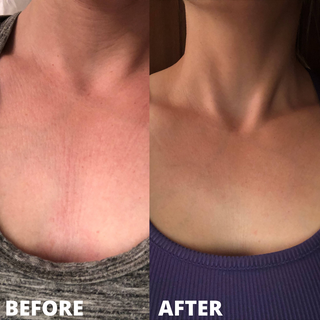
Over time, properly selected chemical peel treatments help the skin appear smoother, more even-toned, and refreshed.
What Determines How Deep a TCA Peel Goes?
One of the most important things to understand about TCA is that the depth of a chemical peel depends on more than just the percentage of acid.
Several factors influence how deeply TCA penetrates:
-
TCA concentration: Higher concentrations generally increase the potential depth and intensity of a peel.
-
Number of applications or layers: Additional coats increase penetration and the degree of overall treatment.
-
Amount of solution applied: The volume and distribution of acid can affect treatment intensity.
-
Skin preparation: Cleansing, degreasing, and other preparation methods such as using acetone and the Glycolic TCA Peel Pads prior to TCA peel will increase intensity of how the acid interacts with the skin.
-
Individual skin characteristics: Skin thickness, treatment area, barrier condition, and previous treatments can affect the response.
Dr. B emphasizes the importance of understanding how TCA behaves on the skin rather than judging a treatment by its percentage alone.
What Are the Benefits of TCA Chemical Peels?
- Improve the Appearance of Fine Lines and Wrinkles
- Reduce the Appearance of Sun Damage and Dark Spots
- Improve Acne-Prone Skin and Uneven Texture
- Smooth Rough Skin and Improve Radiance
How to Start Using TCA at Home: The Dermatologist's Choice Three-Step Progression
One of the most common misconceptions about chemical peels is that stronger always means better.
The right treatment is the one that addresses your skin concerns without causing excessive irritation or injury.
At Dermatologist's Choice, we've developed a range of TCA and glycolic acid skincare products so customers can begin with milder exfoliation and consider more intensive treatments when appropriate.
Step 1: Start with the Dermatologist's Choice Everyday Set
Best for: Beginners, everyday skincare, mild exfoliation, and those new to TCA.
If you're new to TCA skincare, we recommend beginning with the Dermatologist's Choice Everyday Set.
This introductory skincare routine features our pH Balanced TCA Toning Pads, the mildest TCA pad treatment in our product collection.
The pH Balanced TCA Toning Pads combine TCA with other skincare ingredients in a milder formulation designed to introduce chemical exfoliation into an everyday routine.
They can help improve the appearance of dullness, signs of aging, uneven texture, and blemish-prone skin.
Suggested beginner evening routine:
-
Cleanse with Dermatologist's Choice pH Balanced Cleanser.
-
Introduce the pH Balanced TCA Toning Pads gradually, beginning with a few evenings per week according to your skin's response and the product directions.
-
Apply Facial Enhancement Cream as tolerated, keeping in mind that it also contains exfoliating glycolic acid.
-
Finish with Ultimate Restorative Hydrating Complex if additional moisture is needed.
For particularly sensitive or inexperienced users, introduce one acid-containing product at a time rather than layering several active treatments immediately.
In the morning, cleanse, moisturize, and apply broad-spectrum SPF 30 or higher.
Why start here?
Starting with milder TCA skincare allows you to evaluate your skin's tolerance and establish a consistent routine before considering more intensive exfoliation.
Shop the Dermatologist's Choice Everyday Set

Step 2: Graduate to Extra-Strength Glycolic TCA Peel Pads
Best for: Experienced acid users seeking stronger exfoliation for uneven texture, dullness, and visible signs of aging.
Once your skin is comfortably tolerating a milder routine, you may want to explore a stronger exfoliating treatment.
The Dermatologist's Choice Glycolic TCA Peel Pads combine glycolic acid and TCA in an extra-strength formulation.
Glycolic acid is an alpha hydroxy acid (AHA) that helps loosen and remove accumulated dead skin cells. TCA provides an additional chemical peeling action.
Together, these ingredients offer a more intensive approach to exfoliation than the mild pH Balanced TCA Toning Pads.
The Glycolic TCA Peel Pads may be suitable for customers looking to address:
-
More noticeable roughness or uneven skin texture
-
Dull-looking skin
-
The appearance of fine lines
-
Uneven-looking skin tone
-
Blemish-prone skin
How to graduate to stronger peel pads:
Begin by replacing your milder TCA Toning Pads with the extra-strength Glycolic TCA Peel Pads on one evening per week, provided this is consistent with the product directions.
Avoid using both pad treatments together on the same evening.
Monitor your skin over the following days. If your skin remains comfortable, you may gradually adjust frequency according to the product instructions and your skin's tolerance.
Use a gentle moisturizer, avoid additional exfoliating products when introducing stronger pads, and apply sunscreen every morning.
The goal is effective exfoliation without persistent redness, dryness, or irritation.

Step 3: Advanced TCA Chemical Peeling with TCA Advanced Peel Solution
Best for: Experienced chemical peel users seeking an advanced treatment under appropriate professional guidance.
For customers interested in a more intensive TCA peel, Dermatologist's Choice offers the TCA Advanced Peel Solution.
This is the strongest TCA peel treatment in our three-step progression and is intended for a different level of treatment than everyday TCA toning pads.
Unlike milder exfoliating skincare, stronger TCA peel solutions can produce more significant peeling and require greater attention to treatment selection, application, and recovery. Some may experience peeling and about 5-7 days of downtime as the skin recovers from redness, dryness, and sensitivity.
Advanced TCA peels may be used to address concerns such as pronounced sun damage, uneven pigmentation, and visible signs of skin aging.
However, stronger TCA does not automatically produce better results for everyone.

Comparing the Three Levels of Dermatologist's Choice TCA Skincare
| Treatment | Strength Level | Recommended Starting Point |
|---|---|---|
| pH Balanced TCA Toning Pads | Mildest | Beginners and everyday skincare |
| Glycolic TCA Peel Pads | Extra Strength | Experienced users seeking more intensive exfoliation |
| TCA Advanced Peel Solution | Strongest | Advanced users following professional guidance |
Not everyone needs to progress through all three levels. Many people can achieve their desired skincare results with a consistent mild or moderate routine.

TCA vs. Glycolic Acid vs. Retin-A: What's the Difference?
TCA, glycolic acid, and prescription tretinoin (commonly known by the brand name Retin-A) are all used in skin treatments, and are similar in their benefits for skin resurfacing, building collagen and evening texture and tone of the skin.
TCA (Trichloroacetic Acid)
TCA is a chemical peeling agent that causes controlled protein coagulation in the treated skin. Its effects range from superficial exfoliation to deeper peeling, depending on the formulation and application.
Glycolic Acid
Glycolic acid is an alpha hydroxy acid used to exfoliate the skin and improve the appearance of texture, fine lines, and uneven pigmentation. It is frequently incorporated into ongoing skincare routines.
Tretinoin (Retin-A)
Tretinoin is a prescription retinoid that influences skin cell turnover and is supported by clinical research for acne and photoaging. Unlike a TCA peel, tretinoin is generally used as an ongoing topical treatment rather than a periodic chemical peel.
What Should You Expect After a TCA Chemical Peel?
Your experience depends on the strength and depth of the treatment.
With mild exfoliating products, you may notice little or no visible peeling. Some people experience temporary dryness, mild tingling, or flaking.
Stronger TCA peels may produce more noticeable redness, tightness, darkening of treated skin, and peeling during recovery.
Medium-depth peels commonly require approximately one to two weeks for initial healing, although redness and sensitivity may persist longer.
Does tingling mean the TCA is working?
Some tingling or stinging can occur when using acid-based skincare, but the intensity of the sensation can vary from person to person and by product. Feeling the Trustworthy Tingle is a good sign the acid has penetrated into the skin for exfoliating benefits. Depending on your comfort level and desired results adjust by reducing product dtrength and layered application. Apply a cold cloth to the skin and thick moisturizer to the skin post peel to soothe Trustworthy Tingle tm.
How to Care for Your Skin After a Chemical Peel
Proper aftercare is an essential part of any chemical peel treatment.
After exfoliating treatments:
-
Keep skin moisturized with a gentle, non-exfoliating moisturizer such as the Ultimate Restoriative Face Moisturizer and/or Vaseline.
-
Apply broad-spectrum SPF 30 or higher every morning.
-
Avoid picking, pulling, or prematurely removing peeling skin.
-
Temporarily discontinue other exfoliating acids, scrubs, and retinoids as directed for about 5-7 days post peel (TCA Advance Peel Solution roller ball).
-
Avoid unnecessary sun exposure while the skin is healing. Wear sunscreen and a hat.
For more intensive TCA peels, individualized aftercare is particularly important.
Frequently Asked Questions About TCA Chemical Peels
Can beginners use TCA skincare?
Yes, some mild TCA-containing skincare products are formulated for beginners. We recommend starting with the Dermatologist's Choice Everyday Set and its pH Balanced TCA Toning Pads rather than beginning with an advanced peel solution.
Can you use TCA every day?
It depends on the product formulation, concentration, and individual tolerance. Mild TCA-containing skincare may be designed for regular use, while stronger chemical peel solutions are not intended for everyday application. Always follow the directions for your specific product. The TCA in the Dermatologist's Choice Everyday Set is intended for daily use.
Is TCA stronger than glycolic acid?
TCA can produce deeper chemical peeling than many common glycolic acid skincare formulations. However, the effects of both acids depend on concentration, pH, formulation, application, and individual skin characteristics.
Does TCA help with wrinkles?
TCA peels can improve the appearance of certain fine lines, wrinkles, and sun-damaged skin. Results vary according to treatment depth and the type of wrinkle being treated. TCA is used in high concentration in the upper lip lines with a wooden applicator by a dermatologist.
Can TCA help with acne scars?
Professional TCA treatments can improve certain types of acne scarring. Some scars require specialized techniques, such as TCA CROSS, performed by a qualified clinician.
Is a TCA peel good for melasma?
TCA peels are a great treatment for melasma, start mild and be consistent. Wearing sunscreen and a hat when in the sun is very important to maintain results and not add pigmentation. Stay at a lower TCA concentration and apply consistently.
How often should you do a TCA peel?
Frequency depends on the treatment's strength and depth. Mild exfoliating skincare may be used regularly as tolerated, whereas stronger peels require longer recovery intervals and professional guidance.
Can TCA chemical peels be used on all skin tones?
TCA may be used on different skin tones, but individuals with deeper skin tones can be at increased risk of post-inflammatory hyperpigmentation following aggressive peeling, start with the lower concentration first then build up if needed. Treatment selection and professional assessment are important.
Final Thoughts: Start Mild, Build Your Routine, and Choose the Right Strength
TCA has remained an important ingredient in dermatology for generations because of its ability to produce controlled chemical exfoliation and improve the appearance of certain skin concerns.
But achieving better-looking skin doesn't mean starting with the deepest peel available.
At Dermatologist's Choice, Dr. B's decades of dermatology experience have helped shape a skincare collection offering different levels of glycolic acid and TCA treatments.
Our recommendation is simple: Start with the Everyday Set, establish your routine, and consider stronger treatments only when your skin is ready and the treatment is appropriate.
Begin with the mild pH Balanced TCA Toning Pads. If you need more intensive exfoliation and tolerate your current routine well, consider graduating to the extra-strength Glycolic TCA Peel Pads.
For advanced peeling, consult a qualified professional about whether the TCA Advanced Peel Solution is right for you.
Whether you're concerned about fine lines, uneven skin texture, blemishes, or sun damage, the right combination of effective ingredients, consistent skincare, and sun protection can help you work toward healthier-looking skin.
Ready to begin your TCA skincare journey?
Developed by Dr. Richard Bottiglione, MD, board-certified dermatologist and founder of Dermatologist's Choice.
Educational disclaimer: This article is for general skincare education and does not replace individualized medical advice.