
Spring is the season of rejuvenation, renewal, and growth. As the temperatures start to warm up and the sun shines brighter, it's the perfect time to shed the dullness of winter and revitalize your skin with a chemical peel. Chemical peels are a popular cosmetic treatment that can improve the appearance of your skin by removing the outermost layer of dead skin cells, revealing smoother, brighter, and more youthful-looking skin. In this blog post, we'll discuss why spring is the best time to do a facial peel chemical peel, and we'll back it up with clinical studies.
- Reduced Sun Exposure
The first reason why spring is the best time for a chemical peel is that the reduced sun exposure makes it easier to protect your skin during the healing process. Chemical peels can cause some sensitivity to the sun, and it's important to avoid sun exposure as much as possible during the healing process to prevent damage and pigmentation issues plus, practice sun safety by wearing a hat and sunscreen. According to a study published in the Journal of the American Academy of Dermatology, chemical peels are safe and effective in treating sun-damaged skin.
- Optimal Humidity Levels
The second reason why spring is the best time for a chemical peel is that the optimal humidity levels during this season can help your skin heal faster and more effectively. Chemical peels can cause your skin to become dry and flaky, and the lack of moisture can slow down the healing process. According to a study published in the Journal of the European Academy of Dermatology and Venereology, the optimal humidity range for wound healing is between 40% and 60%. In the spring, the humidity levels are usually within this range, which can help your skin heal faster and reduce the risk of complications.
- Preparing for Summer
Finally, spring is the best time for a chemical peel because it allows you to prepare your skin for the summer months when you'll likely be spending more time outdoors and exposing your skin to the sun. Chemical peels can help reduce the appearance of fine lines, wrinkles, dark spots, and acne scars, making your skin look smoother, brighter, and more youthful. According to a study published in the Journal of Cosmetic Dermatology, chemical peels are effective in treating a variety of skin conditions, including acne, hyperpigmentation, and melasma.
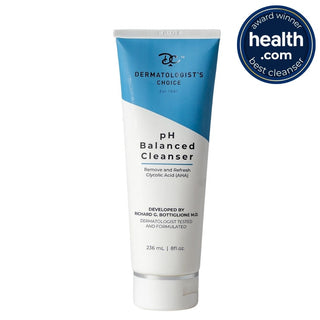
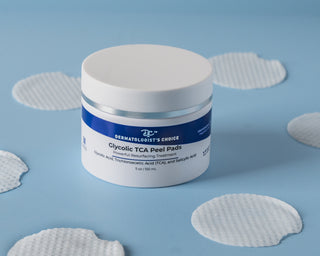
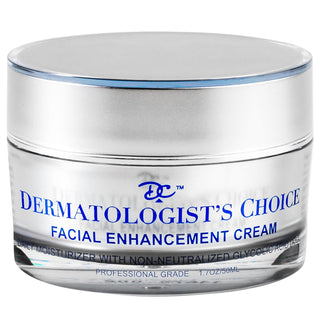
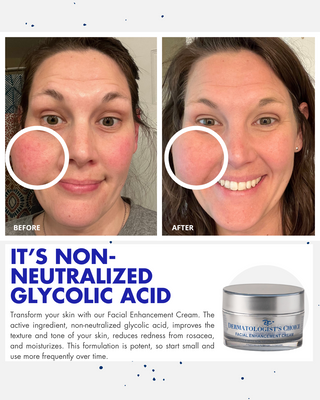
In conclusion, spring is the perfect time for a chemical peel. With reduced sun exposure, optimal humidity levels, and the opportunity to prepare your skin for the summer months, you can enjoy the benefits of this popular cosmetic treatment without worrying about adverse effects. If you're interested in getting a chemical peel, make sure to consult with a licensed and experienced dermatologist or aesthetician who can recommend the best treatment plan for your skin type and condition. It's possible to do a light chemical peel at home with products such as the Dermatologist's Choice Glycolic Peel Cleansing Pads and Ultra Anti-Aging Cream. If you prefer to get a stronger peel then consult a dermatologist as this will need to be done in office.
Start your facial peel with the Dermatologist's Choice Glycolic Peel Cleansing Pads. Shop Here.